Forbes Afrique
About
They call me the Shewolf of Nasdaq. I do not bite.
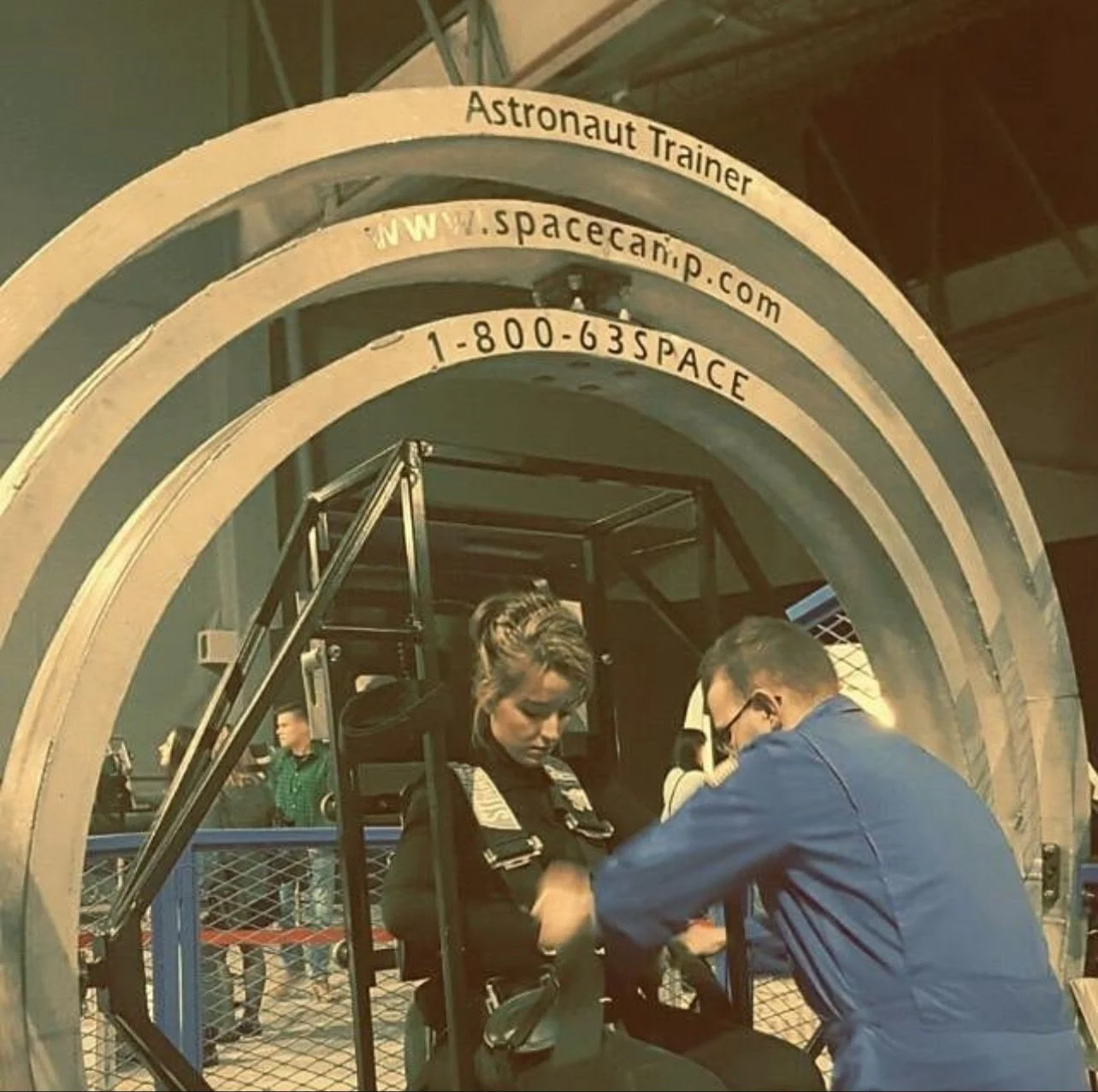
I came to America at seventeen for a space camp and stayed on a scholarship. The plan was to sing. I placed my first trade at nineteen and never got round to it.
17The moveCame over for a NASA space camp. Stayed on a scholarship.
19First tradeSmall, and mostly wrong. I was hooked anyway.
21Morgan StanleyEquity research and trading strategy, New York.
23NasdaqMarket microstructure. How the big flow really behaves.
As seen in
Bloomberg
CNBC Arabia
Fox News
MarketWatch
Dubai TV
Al Jazeera
TV5MONDE
MBC
Shahid
Entrepreneur Middle East
Dubai Media Office
MTV Lebanon
Al Mashhad
The long version
How I got here
Fair warning
None of it ran in a straight line, and I have left the failures in.
01
Morocco to the United States
I came over for a space camp and stayed
I was seventeen. A NASA space camp brought me to America and a scholarship kept me here. Nobody in my family had done anything like it, so there was no advice to follow and nobody to ring when it went badly. I worked it out in a language I was still learning.
There was no path to follow. I had to make one.
02
The plan I dropped
I was going to sing
The plan was to finish my degree and go into music. I spent enough time around the studios to see how that business treats women and who actually signs the cheques. Talent came a long way down the list. I stopped wanting it.
I was not going to spend my life waiting for somebody else to decide it was my turn.

03
Where it turned
Somebody finally explained the market to me
The first proper explanation of how markets work came in a lecture I almost skipped. I placed my first trade at nineteen. It was small and I got most of it wrong, but I could see what I was looking at, and I have not stopped looking since. I decided to learn it as a trade, the way you would learn any other.
The market does not care where you are from. It is the only room I have walked into that judges the position and nothing else.
04
New York
Morgan Stanley, then Nasdaq
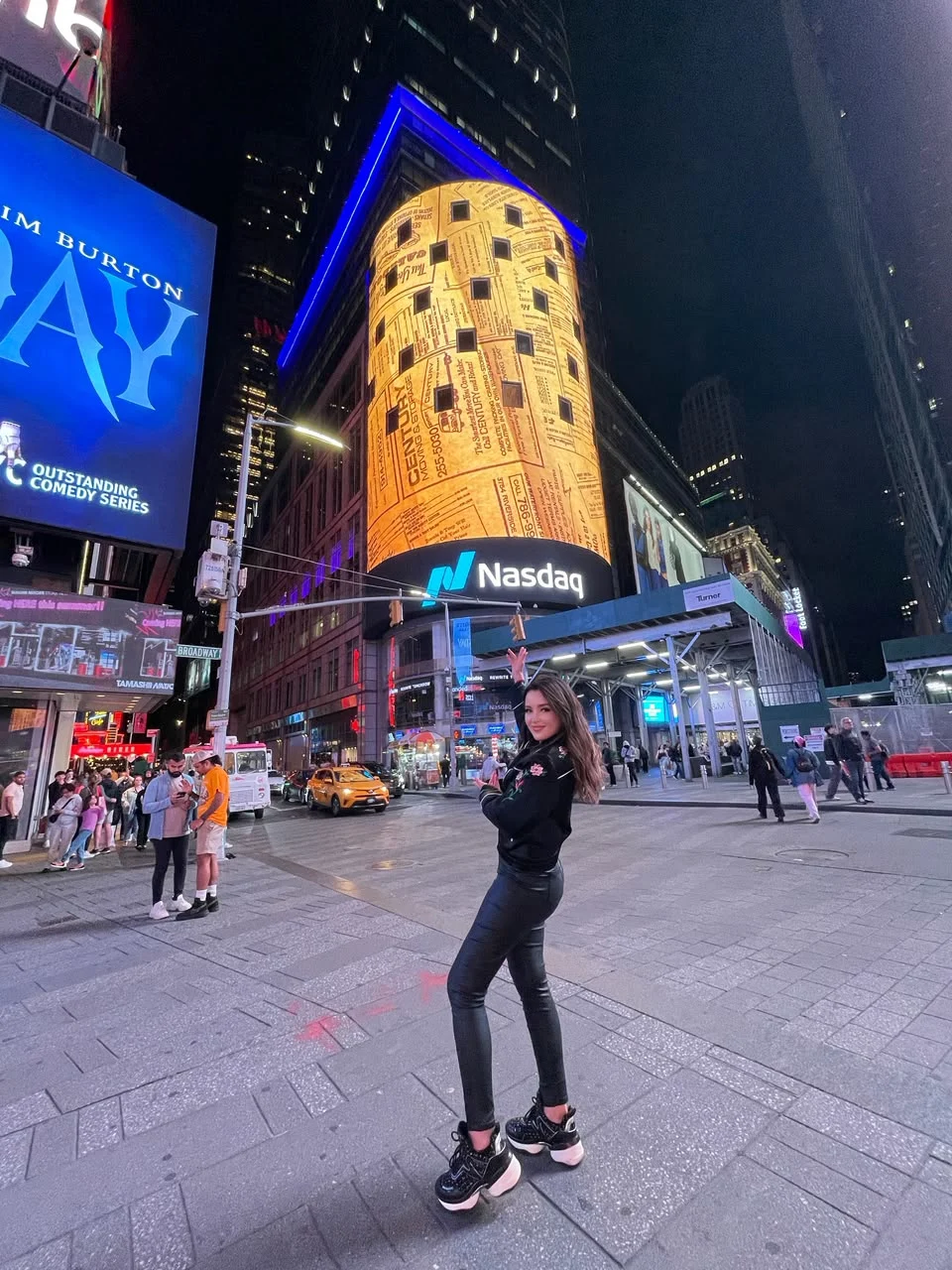
Morgan Stanley took me on in equity research and trading strategy. I was doing the job and answering for it twice over, because a young Moroccan woman on that desk had to be right more often than everyone else to be counted as right at all. Nasdaq came after, working on market microstructure: how institutional and algorithmic flow behaves underneath the printed price.
You learn more about a market from the way it fills an order than from anything written about it afterwards.
05
Founder years
I built companies, and sold some of them
I started several. A few went nowhere, which is the usual outcome and the part nobody writes up. Others worked, and I sold them. I sold my first business idea at an age when most people are still choosing their modules.
Building something and knowing what it is worth to somebody else are two different skills. I needed both.
06
Dubai
Chief investment officer, younger than anyone expected
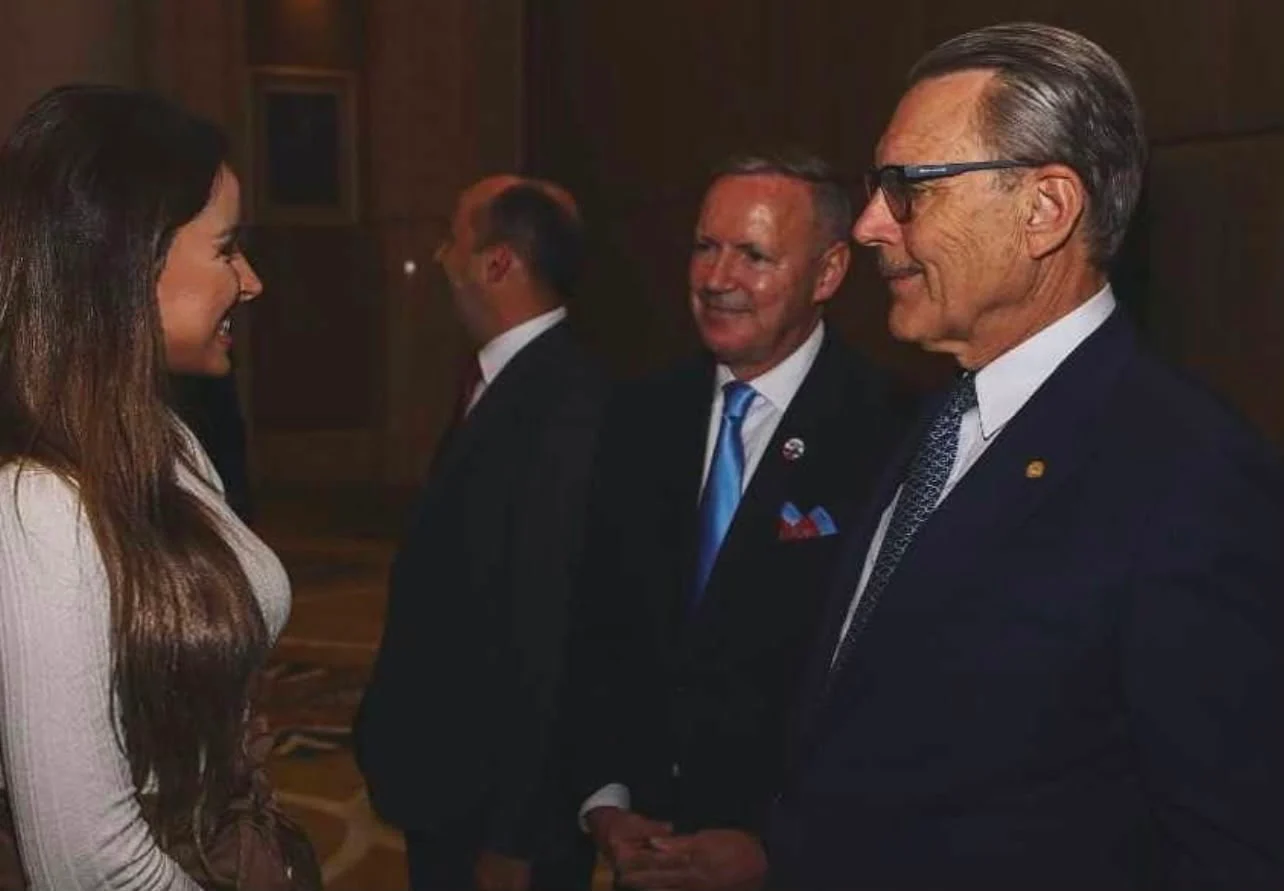
I moved to Dubai and took the chief investment officer seat at a DFSA-regulated asset manager in the DIFC, as partner, and the youngest to hold it there. Leadership team, a $4.2 billion track record, and the first time I was answerable for other people's money at that size rather than my own screen.
Running money changes the question. It stops being what to buy and becomes how the thing is held, and who it is held for.

07
Where it landed
Advisory in Dubai, venture in Miami
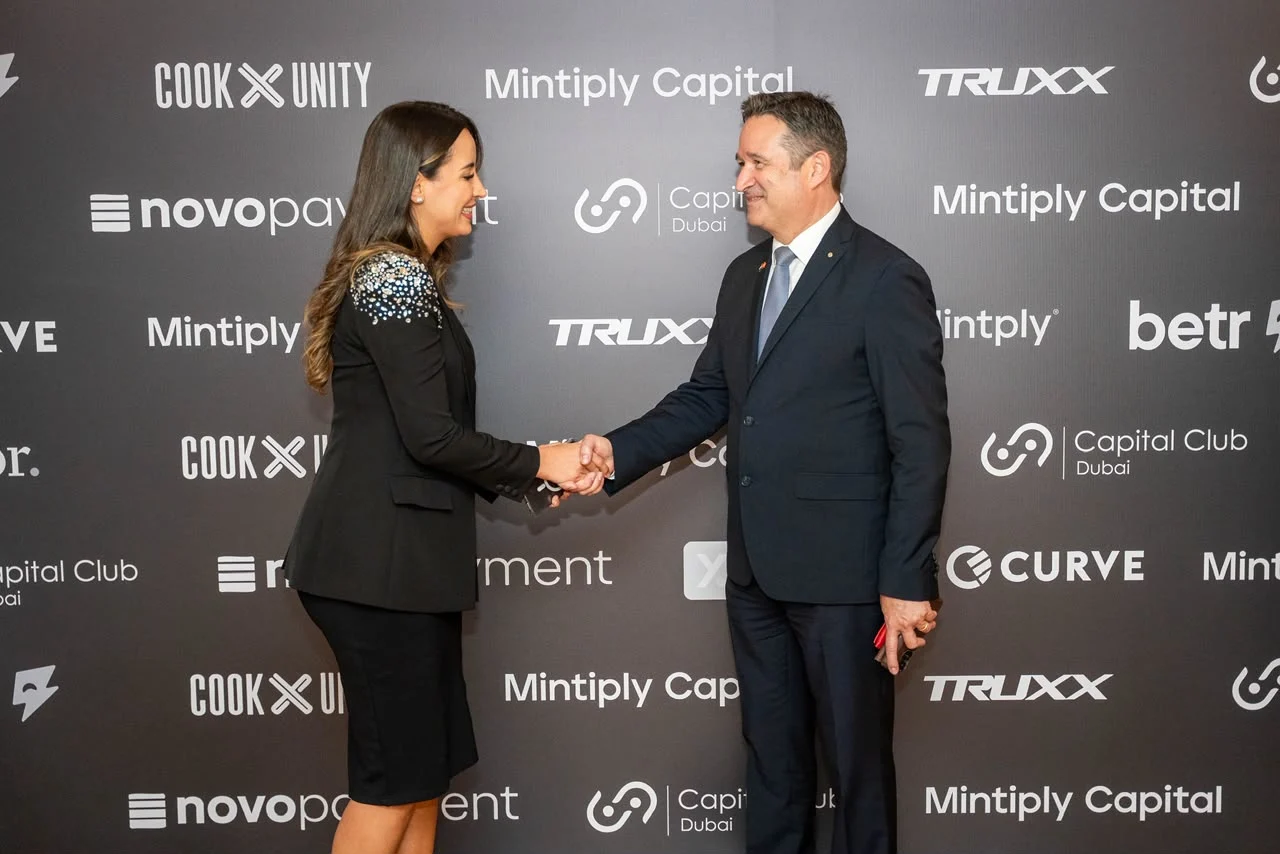
I left to co-found Mintiply Capital, investment banking advisory out of Dubai. I am also GCC Partner at Fuel Venture Capital in Miami, which puts me back on the investing side. Having sold companies myself, I know what the founder across the table is thinking. Having run a book, I know what the buyer is thinking.
I have sat on both sides of that table. It is the only reason anyone should listen to me about either one.
“Nobody explains any of this to you. You either find someone who will, or you work it out the long way.”
Hasnae TalebOn mentorship, and on why the note exists

In pictures
Some of it, on the record
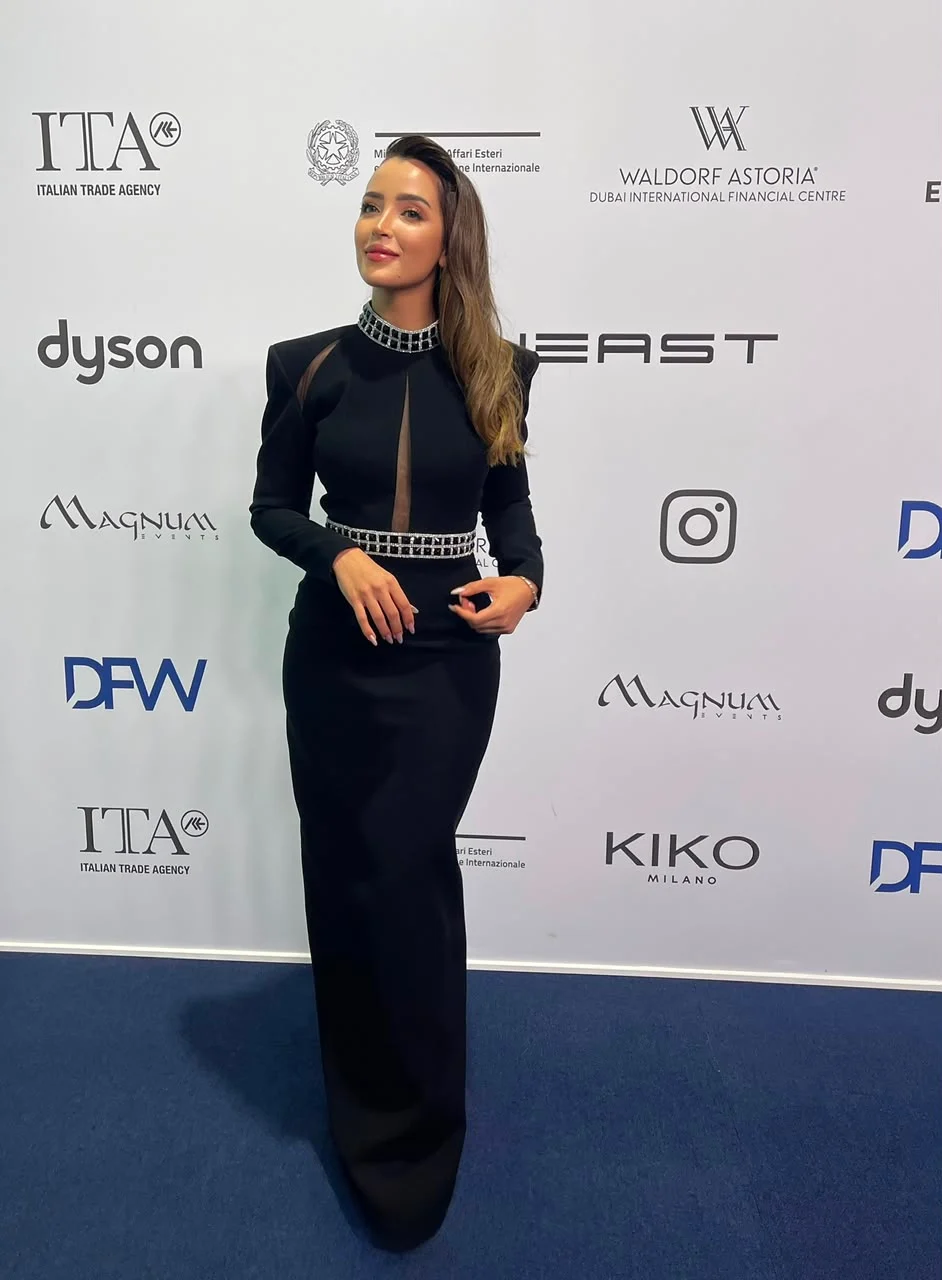
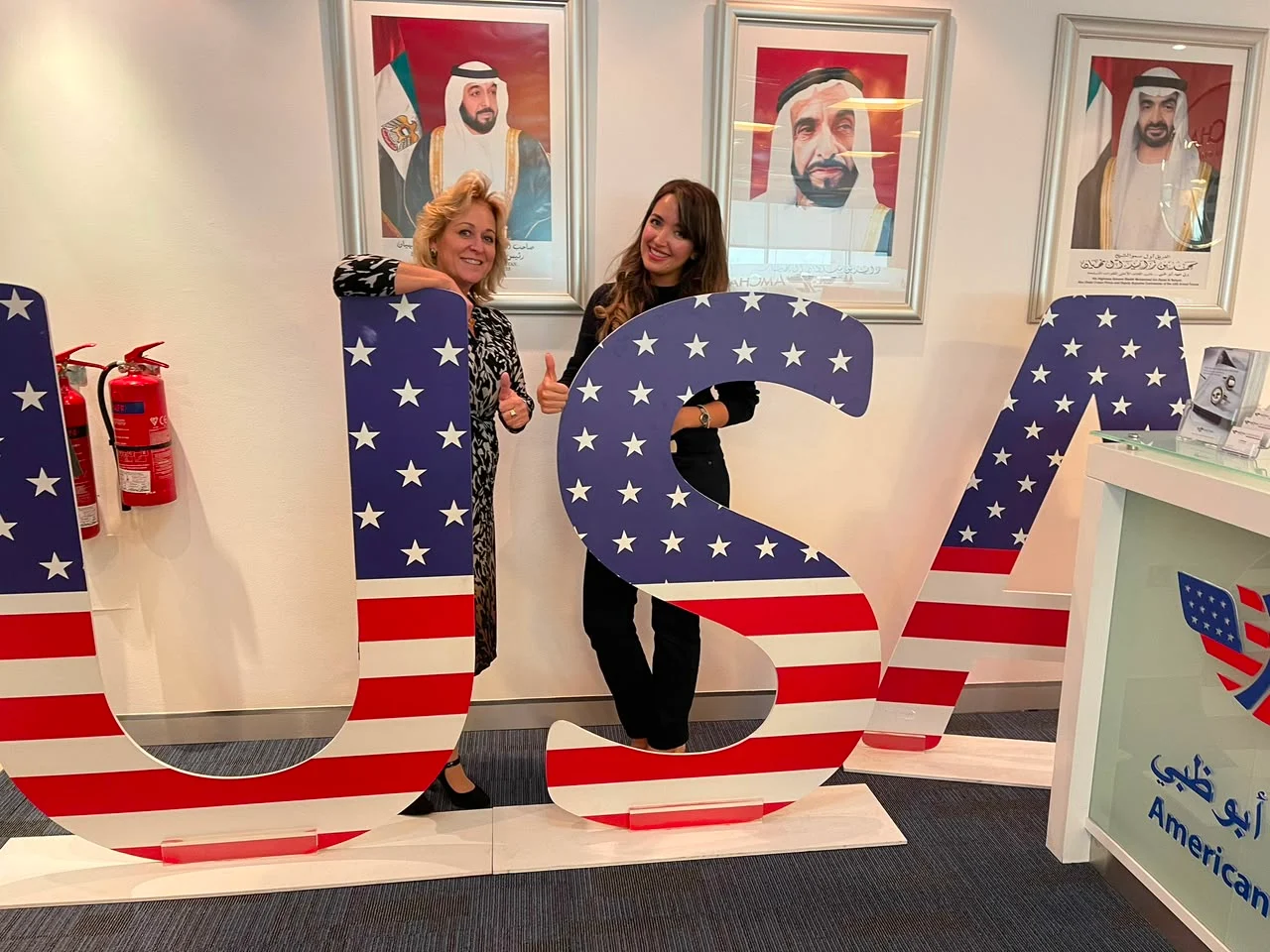
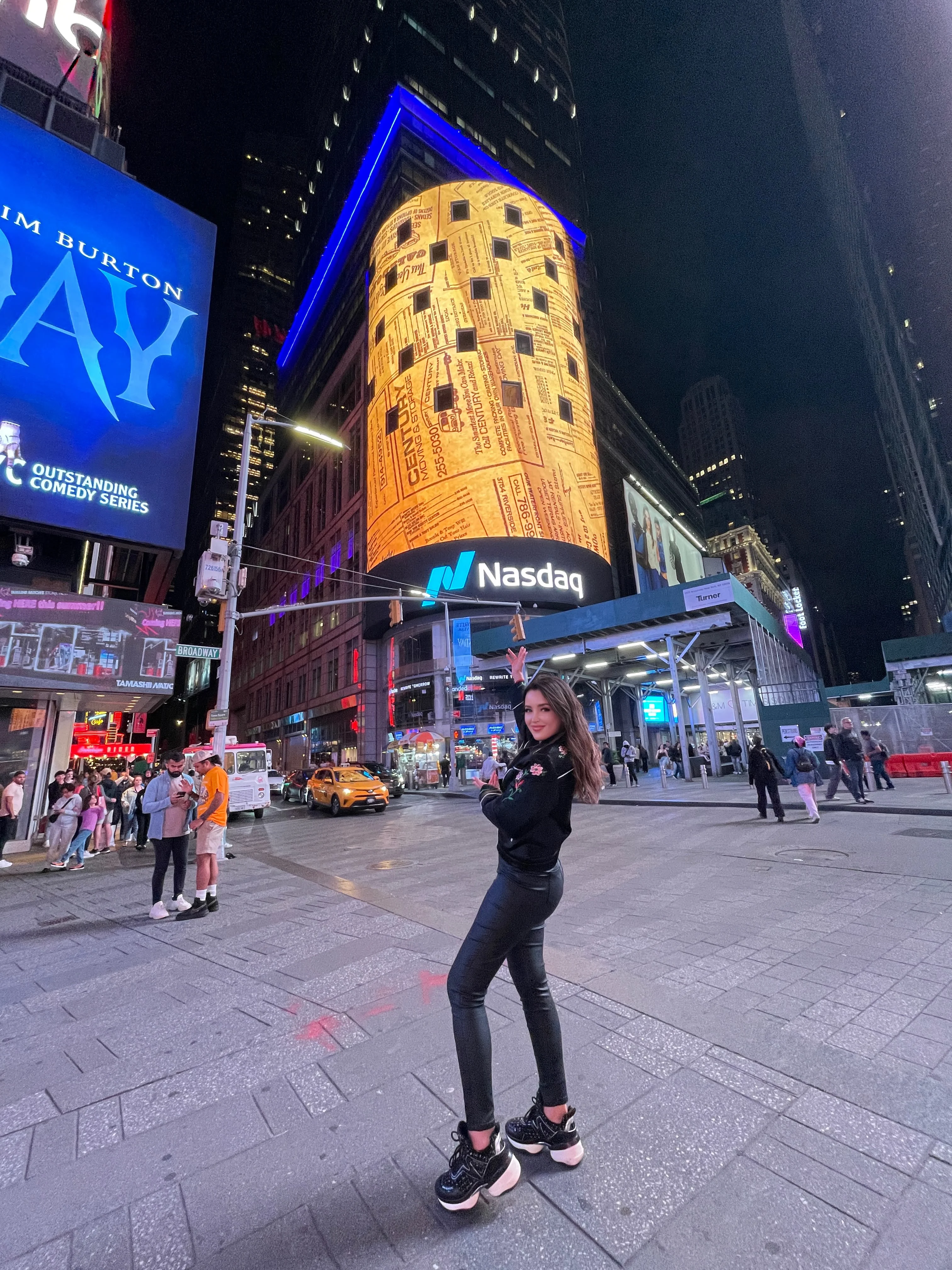
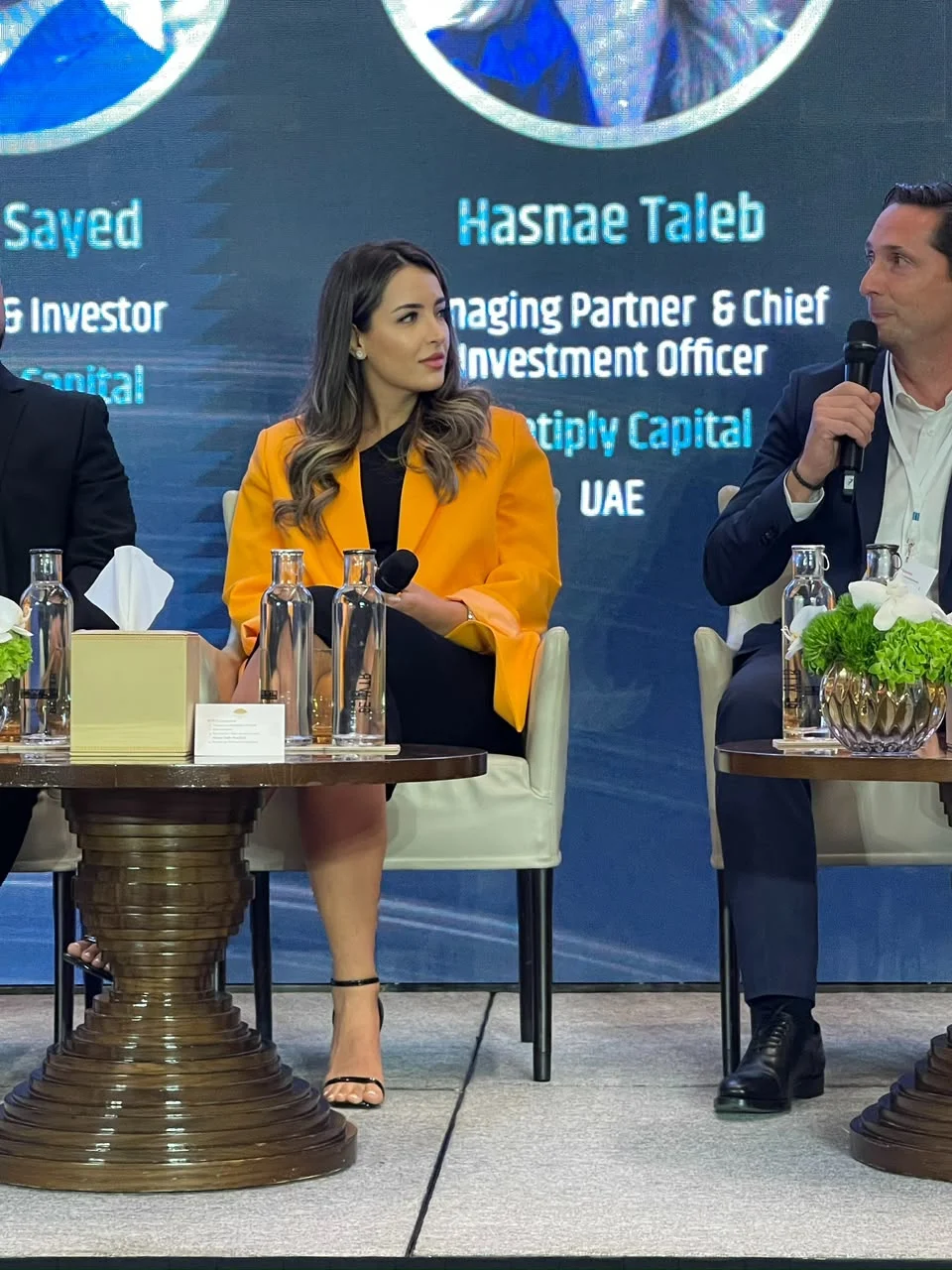
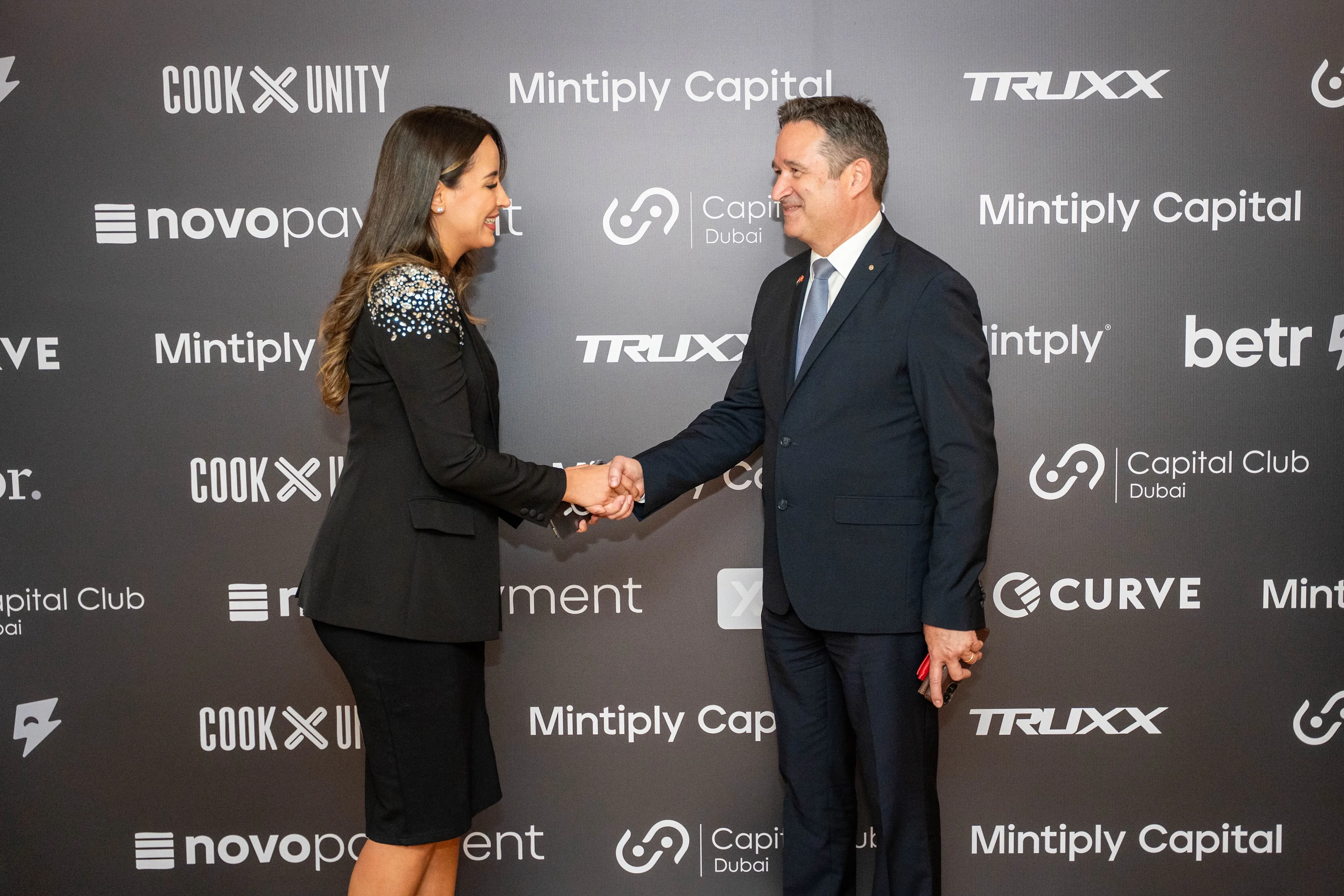
The work
What I do now
Where the lines are
Advisory and capital markets work happens through Mintiply Capital in Dubai. What sits on this site is educational.
Investment banking advisory
Mintiply Capital
Co-founder and Managing Partner. Advisory work out of Dubai for founders and family capital. For professional advice, that goes through Mintiply Capital directly, not through this site.
Venture
Fuel Venture Capital
GCC Partner. Investing in founder-led companies alongside the Miami team, and sitting on the side of the table that says no most of the time.
Teaching
Writing and speaking
The Capital Map, 30 Rules of the Game, the masterclass, and speaking. Educational, and priced so this is not kept for people who already have money.

In my own words
Why I write any of this down
I cannot make anyone's problems disappear and I do not promise results. What I can do is explain how this works without the finance degree.
Nearly everything written for ordinary savers is about what to buy. Very little of it is about how you hold the thing once you own it, and that is where the money leaks. It is not a conspiracy. The people who know this are paid well to know it, and what they know moves by introduction rather than in print.
I learned it slowly, in rooms where nobody was going to explain it to me. So I am writing it down. The note is free, the book is cheap, and the masterclass costs less than one bad decision does.
Co-founder and Managing Partner, Mintiply CapitalGCC Partner, Fuel Venture CapitalForbes 50 Most Influential Women in Africa, 2026Author of 30 Rules of the Game
Endorsements
What people say
“I had the pleasure of mentoring Hasnae, and the results speak for themselves. She is a natural investor.”
Mitzi PerdueAuthor and speaker
“Hasnae is a force in empowering women through financial literacy.”
Grant CardoneCEO, Cardone Capital
“Hasnae is eloquent, magnetic, knowledgeable, poised and dynamic.”
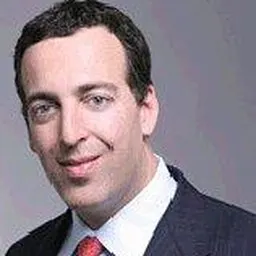
Roy NiederhofferAmerican investor
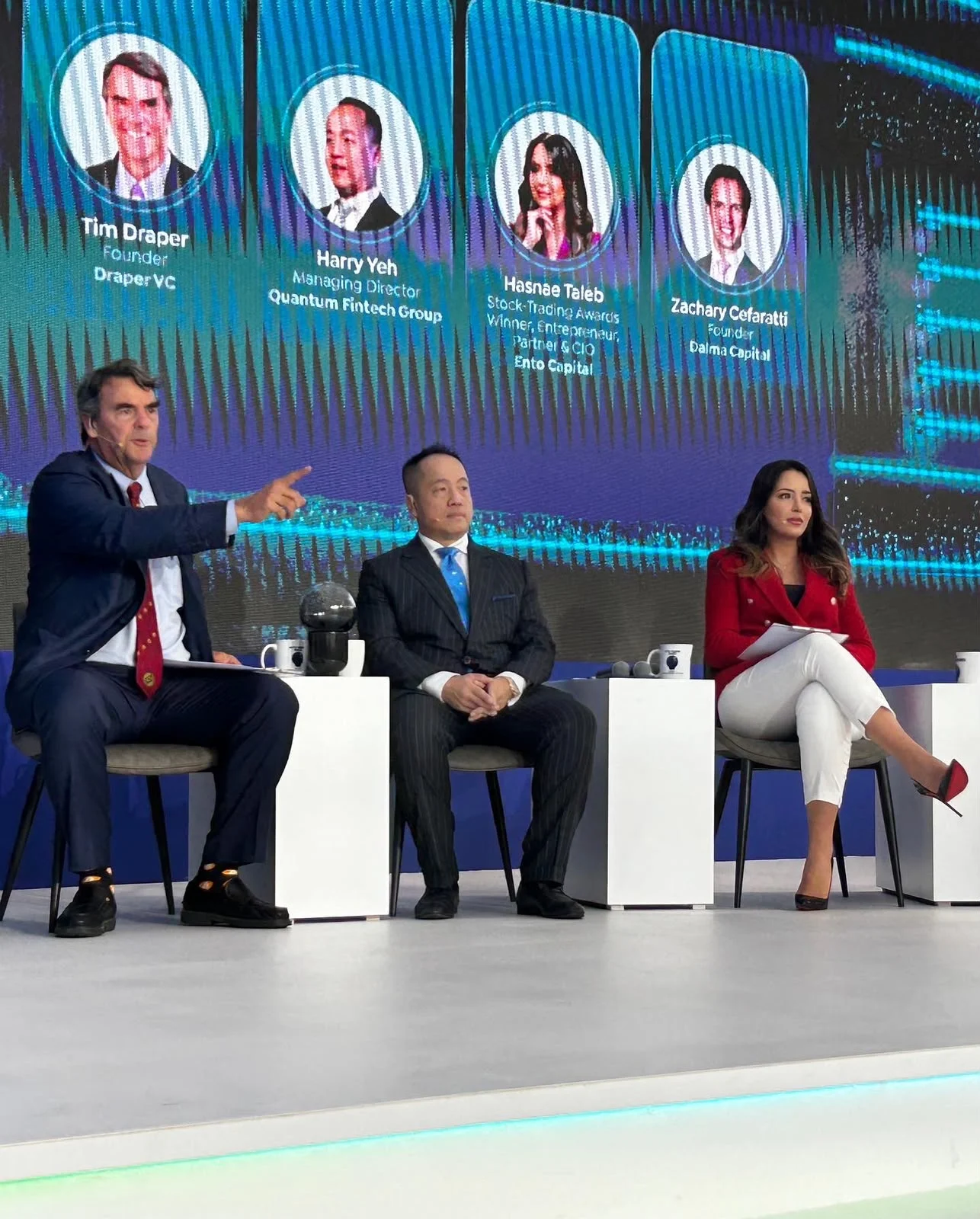
“Proud to have partnered with Hasnae in numerous projects, from VC funds to Meet The Drapers media ventures.”
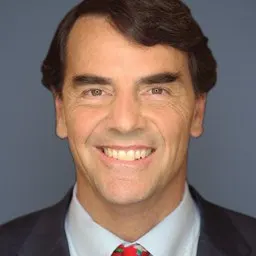
Tim DraperFounder, Draper VC · business partner
“Hasnae is a highly disciplined, thoughtful and articulate professional.”
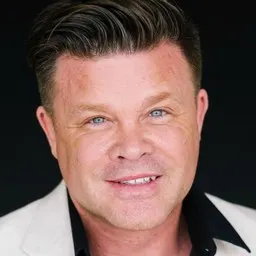
Jeff RansdellFounding partner, Fuel VC · business partner
Endorsements are personal opinions, are not a guarantee of any result, and should not be read as a recommendation. Business relationships are disclosed where they exist.
Start here
The Capital Map
Nineteen pages in plain English on the seven decisions that quietly decide how much you keep, with a worksheet after every section. Free.
Sent immediately. One click to unsubscribe. Educational and general in nature. Not financial, investment, tax or legal advice.